







Advanced Dialysis Techniques

Service Introduction

What is AVF Surgery?


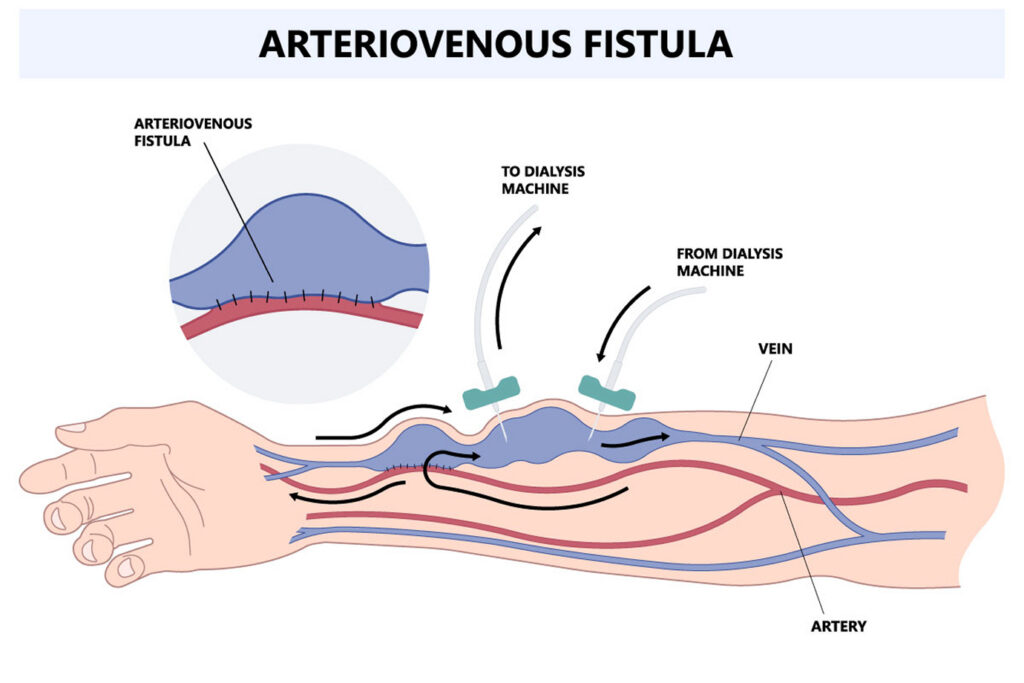
This is a surgical procedure that directly connects an artery (a blood vessel that carries blood from the heart to the body) and a vein (a blood vessel that returns blood to the heart) in the patient’s arm, helping form a larger vessel with increased blood flow to provide vascular access for hemodialysis. This arteriovenous vascular access is also known as an AV fistula or AV connection. Therefore, AVF surgery is also referred to as AV fistula creation surgery for hemodialysis.

AVF surgery is crucial, as good and sufficiently large vascular access is a prerequisite for hemodialysis.

Advantages of AVF Surgery

An autologous arteriovenous fistula is considered the optimal vascular access route because:

  • The AVF is created from the patient’s own body, without using synthetic materials.
  • Lower risk of infection, clotting, stenosis, and occlusion.
  • Provides adequate blood flow and speed for the hemodialysis process.

When should AVF surgery be performed?


AVF surgery (autologous arteriovenous fistula creation for hemodialysis) should be performed 2 to 4 months (equivalent to 8 to 16 weeks) prior to starting maintenance hemodialysis.

Maturation Time of AVF

Early AVF surgery is essential for patients preparing for hemodialysis because the maturation time for an AV fistula is relatively long and cannot be used immediately after surgery, especially in patients with a history of diabetes, vascular diseases, etc.


Early selection of the surgical vascular site is essential, as maturation time is longer compared to healthy individuals. A new AV fistula requires at least 6 weeks to mature, ideally 3 to 4 months, reaching a minimum blood flow rate of 600 mL/min on ultrasound.


A method to enhance fistula maturation is squeezing a rubber ball with the access arm. This hand exercise helps increase blood flow and accelerates the maturation rate of the AV fistula.

CARE AT TAIMAX INTERNATIONAL CLINIC

The difference in every dialysis session

Each dialysis session is part of a long-term treatment journey. Taimax Clinic prioritizes patient peace of mind through four consistently maintained care pillars.
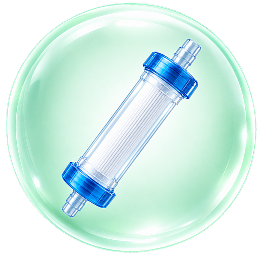
  • Dialyzer

    SINGLE-USE

  • Nursing care

    PERSONALIZED

  • 1 nurse - 3 patients

    GOLDEN RATIO

  • Orientation

    INTERNATIONAL STANDARD

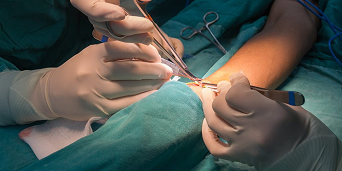
AVF Surgery Procedure

The procedure is carried out step-by-step, ensuring precision and tailored to the patient's vascular condition.

  • 01

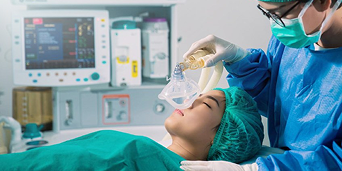
    Regional Anesthesia

    The doctor administers local anesthesia to the arm, helping minimize pain for the patient throughout the surgical procedure.
  • 02

    Exposing the Artery and Vein

    The surgeon makes an incision and accesses the identified blood vessels to perform the anastomosis.
  • 03

    Connecting the Artery and Vein

    The two blood vessels are directly joined together using microsurgical techniques to create an arteriovenous fistula (AVF).
  • 04

    Checking Fistula Patency and Blood Flow

    The doctor checks the blood flow through the anastomosis site, evaluates patency, and completes the surgery.
MEDICAL TEAM

ACCOMPANYING PATIENTS EVERY STEP OF THE WAY


Caring for kidney disease patients requires close coordination among doctors, nurses, and support staff throughout the treatment journey.

The medical team at Taimax Clinic is led by a Specialist II Doctor with over 37 years of experience, collaborating in examinations, evaluations, care planning, and monitoring patients before, during, and after treatment.

Beyond their technical expertise, the team places great importance on listening, providing clear explanations, and respecting the individual needs of each patient.

Book an Appointment


Proactively choose a suitable time to make your clinic visit more convenient.

Please provide some information so Taimax Clinic can better prepare and assist you during your appointment.